
Few questions matter more when you are weighing a week at sea than this one: what is included in a yacht charter, and what sits quietly outside the headline figure. Understanding exactly what you are paying for is the difference between a relaxed holiday and an awkward conversation at the end of it. The good news is that the structure of a charter price is logical once you see how it is built, and a little planning makes the whole thing transparent from the outset.
Below we set out, plainly and without jargon, what the charter fee usually covers, what is billed separately, and the sensible extras worth holding in reserve. The figures here are honest ranges rather than fixed quotes, because every yacht, route and season is different. The principles, though, hold true across the Cyclades, the Saronic, the Ionian and the Dodecanese.
What is included in a yacht charter: the base fee
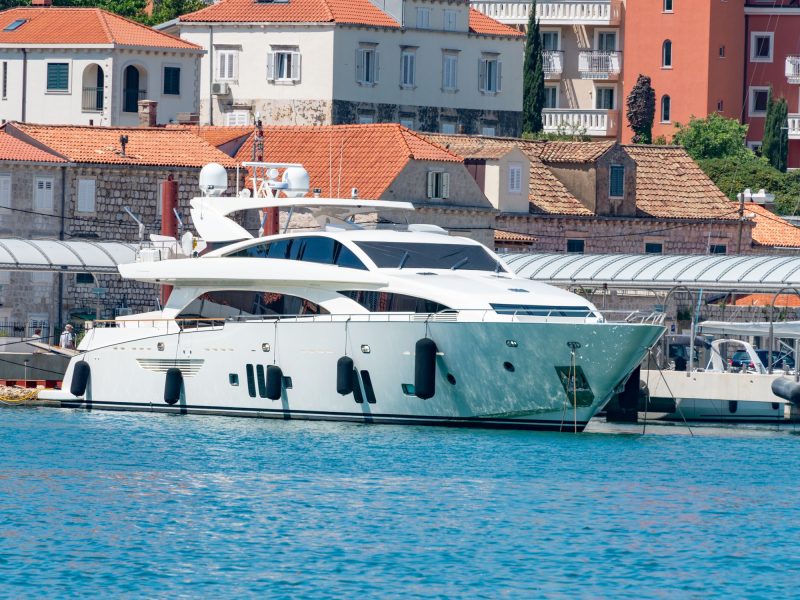
The headline price you are quoted is the cost of the yacht itself for your chosen dates, and it carries more than the vessel. On a crewed charter, the base fee typically includes the following:
- The yacht in full working order, insured and maintained, with all its safety equipment.
- The professional crew, whether that is a skipper and hostess on a smaller sailing yacht or a fuller team on a motor yacht.
- The standard inventory: linen, towels, galley equipment, snorkelling gear and the tender for getting ashore.
- Onboard systems such as air conditioning, the entertainment setup and water for the tanks.
What the base fee does not usually include is the running cost of actually sailing and living aboard. That is where the second layer comes in, and it is the part most newcomers underestimate.
Provisioning, fuel and the running costs
On most crewed yachts in Greece, the day to day costs of the trip are handled through what is commonly called a running cost account, sometimes a set percentage added to the base fee, sometimes itemised as you go. It covers the things that genuinely vary with how you choose to spend your week.
Food and drink
Provisioning covers your meals, soft drinks, wine and spirits. On a chef crewed yacht this is where your menus come to life, and the spend reflects your tastes, from simple Greek breakfasts and grilled fish to something more elaborate. A sensible approach is to agree a preference sheet before departure so the galley is stocked for how you actually eat, with a little room for the long lunches that tend to appear once you are anchored off somewhere beautiful.
Fuel
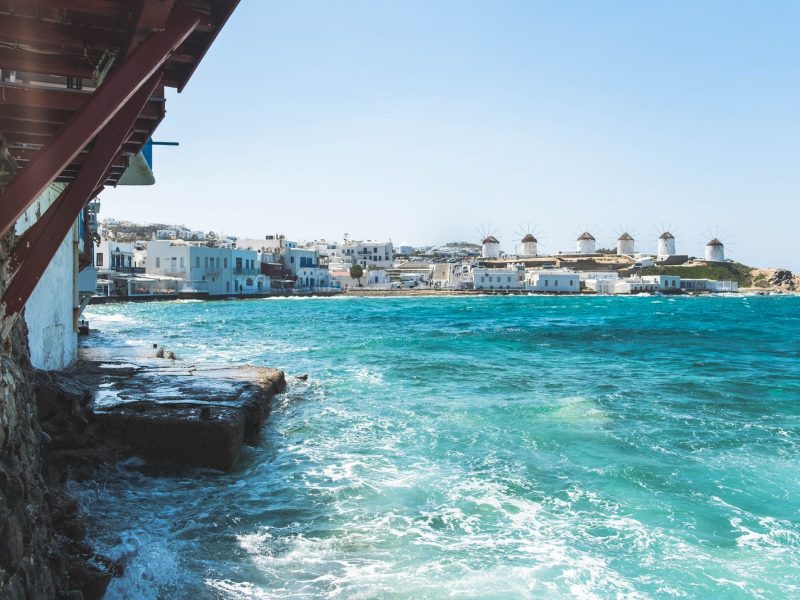
Fuel is billed on use, and this is where sailing and motor yachts diverge sharply. A sailing yacht crossing from Mykonos to Paros, a passage of roughly twenty to twenty five nautical miles, may barely touch the engine on a good day of breeze. A motor yacht covering the same water burns considerably more, and a fast cruising itinerary will cost more than a gentle one. If you intend to roam, build fuel into your thinking early.
Berthing and harbour fees
Mooring in a marina or a popular town quay carries a nightly fee, and in high summer the smartest harbours in the Cyclades can be both pricey and busy. Many crews balance this by anchoring in a quiet bay for some nights, which costs nothing and is often the more memorable choice. A night at anchor off the south coast of Naxos under a clear sky is hard to better.
The extras worth budgeting for
Beyond provisioning and fuel, a handful of costs sit outside both the base fee and the running account. None are unreasonable, but they are easy to forget when you are picturing the turquoise water.
- Crew gratuity. Tipping is customary for a crewed charter, usually a sensible percentage of the base fee, given at the end if you have been well looked after. It is discretionary, not a charge, but it is expected and deserved.
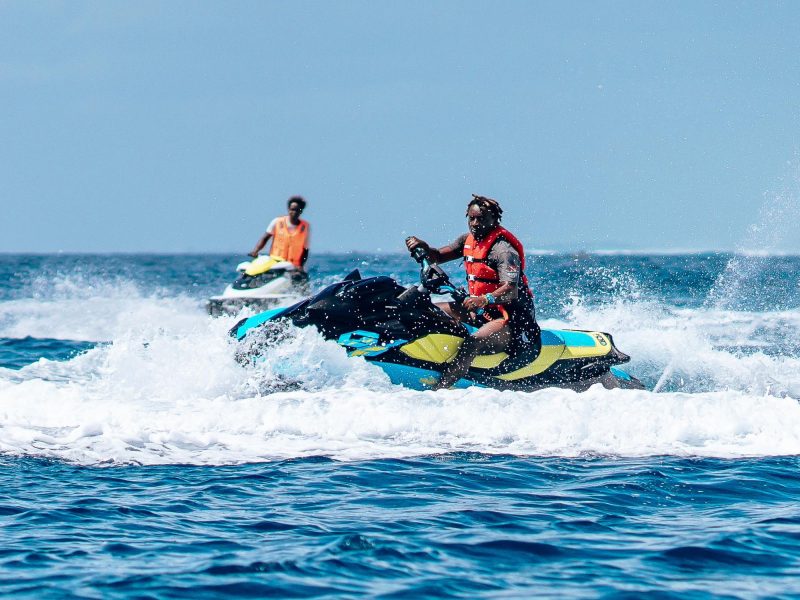
- Water toys and special equipment. Standard gear is included, but a seabob, paddleboards, diving arrangements or similar extras may be billed separately depending on the yacht.
- Transfers and personal spending. Getting to and from the yacht, any nights ashore, and anything you buy in the island tavernas on your own account sit outside the charter entirely.
- A local tax or two. Greece applies a modest cruising tax to charter yachts, and there may be small port formalities along the way. These are minor but real.
Why the season and the route move the number
Two identical yachts can cost very differently depending on when and where you sail, and understanding this helps you plan with confidence. Peak weeks in July and August command the highest base fees, while late spring and early autumn offer the same seas at gentler prices and, frankly, in more comfortable conditions. The meltemi, the strong northerly wind that funnels through the Aegean in high summer, also shapes both your itinerary and your running costs, since a yacht punching into wind uses more fuel and may shelter in harbour rather than press on.
Route matters too. A relaxed loop around the Saronic, with Hydra, Spetses and Poros all within short and sheltered hops from Athens, keeps fuel and passage times modest. An ambitious Cyclades crossing, open water between islands and longer legs, naturally asks more of the engine, the crew and the budget. Neither is better; they are simply different holidays with different cost shapes, and it pays to match the route to both your appetite for sailing and your spend.
How to read a quote with confidence
When you receive a proposal, a few habits will keep everything clear. Ask what the base fee includes by name rather than assuming. Confirm whether provisioning and fuel run through a percentage or are settled as you go. Check whether the figure is shown before or after the cruising tax. And be honest with yourself and your crew about the pace you want, because a slow, anchorage led week and a fast, harbour hopping one will land at different totals even on the same yacht.
Done this way, a charter holds very few surprises. You will know what the yacht costs, roughly what a comfortable week of eating, cruising and mooring adds, and what to keep in reserve for gratuity and the odd indulgence ashore. For a fuller picture of the headline numbers themselves, our guidance on overall costs is a natural next read, and if you are still deciding how you want to sail, the question of crew makes a real difference to the whole experience.
None of this need be complicated. Tell us how you like to travel, where your eye is drawn on the chart, and the weeks you have in mind, and we will set out a clear, honest picture of what your charter includes and what to plan around. The sea, the islands and the long unhurried days are the easy part. We are happy to take care of the rest.