
A private chef yacht charter is one of those small luxuries that quietly reshapes a whole holiday. On a private chef yacht charter the galley stops being an afterthought and becomes part of the pleasure, the moment when a long anchored afternoon turns into something you remember for years. Greece lends itself to this beautifully, because the ingredients are extraordinary and the anchorages give you the stillness to enjoy them properly.
Below we explain what a chef on board actually does, what the food tends to look like across a Greek week, how the practicalities work and how to plan a charter where the dining lives up to the setting.
What a private chef yacht charter actually includes
The simplest way to understand the role is that the chef cooks for you and your guests, every day, to a standard you would expect from a good restaurant ashore, but tailored entirely to your group. That usually means three meals on the days you want them, plus the small things that make a difference at anchor: fresh fruit cut and waiting when you climb out of the sea, a plate of something to go with sundowners, a late supper after a long passage.
Before you sail, most chefs send a preference sheet. This is worth taking seriously. It is where you note allergies, dietary needs, the children’s likes and dislikes, whether you want to lean Greek and local or range more widely, and how formal or relaxed you would like meals to feel. A vegetarian table, a gluten free guest, a toddler who only eats certain things: all of this is far easier handled before the provisioning than improvised on day three.
On board, the chef also manages the galley quietly around the rhythm of the boat. Good crews coordinate so that the more involved cooking happens when you are anchored and settled, not while you are crashing to windward in an afternoon meltemi.
What the food looks like across a Greek week
The pleasure of dining at sea in Greece is that the menu follows the islands. A thoughtful chef shops as you go, so the table reflects where you actually are rather than a fixed list decided in advance.
- Breakfasts tend to be slow and generous: Greek yoghurt with thyme honey and walnuts, seasonal fruit, fresh bread, eggs to order, strong coffee in the cockpit before the day heats up.
- Lunches are usually light and eaten at anchor, often straight off the swim platform. Think grilled fish, a proper village salad with capers and barrel feta, fava, grilled vegetables, cold dishes that suit the heat.
- Dinners are where a chef can stretch a little, whether that is a long mezze table under the deck lights or something more composed for a special evening.
Local sourcing is part of the charm. Sifnos has a genuine culinary reputation and good produce; Naxos is known for its cheeses, potatoes and citrus; Paros and Antiparos turn up excellent fish; the Cyclades generally reward a chef who is willing to walk into a small harbour town and buy whatever came in that morning. Part of the experience is that you are eating the place, not a generic idea of Mediterranean food.
Provisioning, dietary needs and the small print of good food
Behind every easy meal is some planning. The chef provisions before departure and then tops up along the way, because few of the smaller islands have large supermarkets and fresh fish and produce are best bought locally and often.
A few practical points worth knowing:
- Food and drink are normally charged separately from the yacht itself, often through a provisioning budget you agree in advance. It helps to be honest about how you actually eat and drink so the figure is realistic.
- Special requests, fine wines, particular spirits or specific brands are easy to arrange if flagged early. Sprung on the chef at the last minute, they may simply not be available on a small island.
- Water and fuel for the galley are finite. Long, elaborate cooking every day uses both, so most weeks settle naturally into a mix of grander dinners and simpler, lighter days.
If you would like a fuller picture of how catering sits within the overall cost of a trip, our guide What Is Actually Included in a Luxury Yacht Charter Price sets out where food, crew and extras usually fall.
How weather and route shape the menu
Seamanship and supper are more connected than you might think. In the Aegean the summer meltemi, the dry northerly that builds through July and August, dictates not just where you sail but where you can comfortably eat.
On a breezy day a skipper will choose an anchorage tucked behind an island’s lee, somewhere the swell is knocked flat and the chef can plate a proper dinner without the table sliding. The southern bays of Paros, the protected coves around the small Cyclades, the sheltered side of Naxos: these become dinner anchorages precisely because they stay calm when the wind is up. Exposed northern bays that are glorious on a still morning are no place to be carrying hot plates in a Force 6.
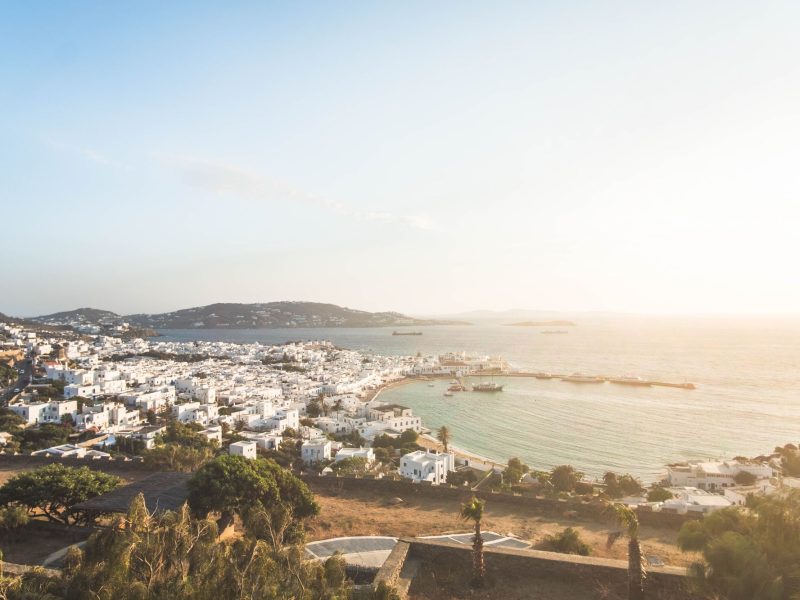
Passage timing matters too. A run from Mykonos down to Paros is a couple of hours under power in settled conditions, and a good crew will aim to be anchored and calm well before dinner rather than serving a serious meal underway. If you are weighing where the eating and the weather are kindest, our piece The Meltemi Explained: Aegean Wind and How It Shapes Your Itinerary is a useful companion. The Saronic and Ionian, both gentler than the high Cyclades in midsummer, often make for more relaxed dining.
Planning a charter where the dining shines
A little forethought goes a long way. Some practical advice for getting the most from a chef on board:
Tell the truth on the preference sheet
Vague answers lead to vague menus. The more specific you are about tastes, allergies and the mood you want, the better the food will fit your group.
Plan one or two standout evenings
Rather than asking for fireworks every night, pick a couple of occasions, an anniversary, a final dinner, a quiet celebration, and let the chef build towards them. The contrast makes them feel special.
Leave room for the islands
Some of the best meals of a Greek week happen ashore, at a family taverna in a fishing harbour. A confident chef will encourage this, not compete with it, and weave a night or two out into the plan.
Match the boat to your appetite for entertaining
A spacious catamaran with a generous cockpit table suits long, social dinners; a motor yacht offers shade and easy formality. Think about how you like to eat when you choose the boat.
For a sense of how dining fits into a flowing route, our A Week in the Cyclades: A Sample Seven Day Sailing Itinerary from Mykonos shows where the calm anchorages and good provisioning towns naturally fall across seven days.
A quieter kind of luxury
What surprises most first time guests is not the ambition of the cooking but its ease. There is no booking, no driving, no rushing back to the boat before the tender service ends. You swim, you read, you watch the light change over a whitewashed town, and somewhere along the way a beautiful meal simply appears, made from what the islands offered that day.
If that is the kind of week you have in mind, we would be glad to help you shape it: the right yacht, the right crew and a chef whose cooking suits your table. Whenever you are ready to plan, the Velvet Yachts team can talk it through with you, gently and at your own pace.