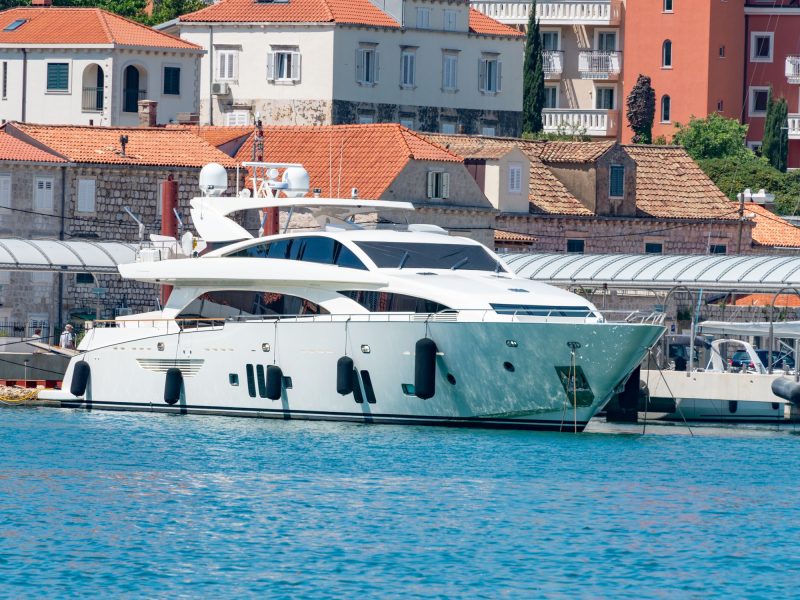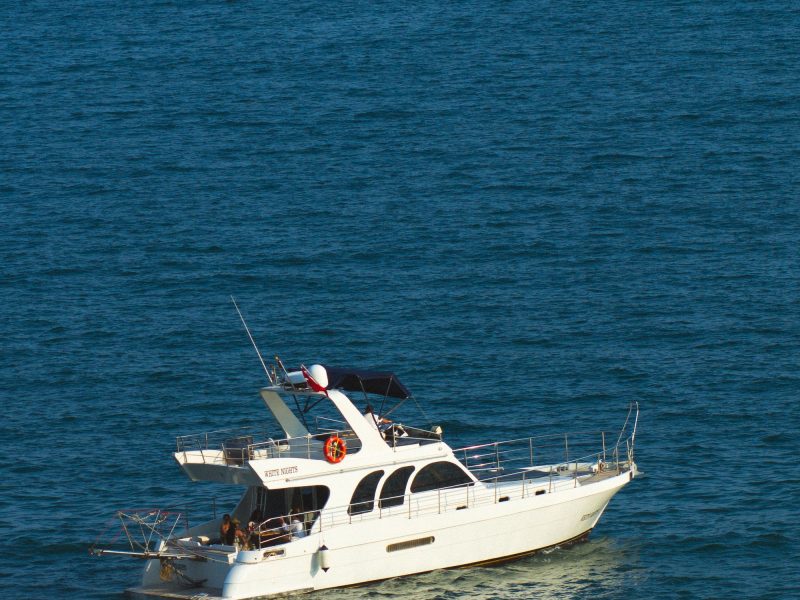

The right yacht water toys can quietly transform a week at sea from a pleasant cruise into the kind of holiday people talk about for years. They are never the headline of a charter, yet they often fill the long, golden hours between anchorages: the paddleboard slipped into a glassy cove at first light, the tender that runs you ashore for lunch, the snorkelling gear that turns a quick swim stop into an hour of quiet wonder. Understanding what sits on the swim platform, and how it suits your route and your crew, is one of the more useful pieces of planning you can do before you step aboard. What follows is a candid look at the equipment that earns its place.
The Tender: The Hardest Working Toy on Board
If there is one piece of kit that defines the rhythm of a charter, it is the tender. This is the dinghy or small rigid inflatable that ferries you between the yacht and the shore, and it does far more daily work than anything else aboard. In the Cyclades, where many of the loveliest anchorages have no quay at all, the tender is your only link to a taverna ashore or a beach you would otherwise admire only from the rail.
Tender size and engine power vary a great deal between yachts, more than people expect. A larger tender with a decent outboard will hold a comfortable plane with four or five guests aboard, shrug off a short chop, and reach a beach a mile away in minutes. A smaller, underpowered one will labour, take spray, and quietly limit how far you wander. When the afternoon meltemi fills in across the central Aegean, that difference becomes the line between an easy run ashore and a wet, slow slog.
- Ask about capacity: a tender rated for the whole party means no one waits on board while others go ashore.
- Ask about night use: a well lit tender with a capable crew member makes dinner ashore at Naoussa on Paros or in Hydra town effortless.
- Ask about the davit or platform: how the tender is launched and stowed affects how spontaneous those beach stops can be.
Paddleboards, Kayaks and the Quiet End of the Fleet
Not every toy needs an engine, and some of the best moments come from the silent ones. Stand up paddleboards have become the most universally loved item on board, and for good reason. They suit almost everyone, they pack away flat, and there is nothing quite like paddling out across still water at dawn before the day charters arrive. The sea caves and sculpted volcanic coast of Milos reward this kind of slow exploration, as do the sheltered inlets of the Ionian, where the water tends to stay calmer than in the open Cyclades.
Sit on top kayaks are the natural companion, steadier for children and for anyone who would rather sit than balance. A note on timing: in the central Aegean the wind almost always builds through the afternoon, so the paddleboards and kayaks earn their keep in the early morning and again in the softer light after the breeze drops towards evening. Plan the calm water activities around that pattern and you will use them far more.
Powered Yacht Water Toys: Seabobs, Jet Skis and Towables
At the livelier end sit the powered toys, and here the picture is more nuanced. A seabob, the handheld underwater scooter that tows you along beneath the surface, is a genuine delight and surprisingly easy to master in a sheltered bay. Towable inflatables, the ringo or the banana, are reliable crowd pleasers for families and anyone in the mood to be thrown around.
Jet skis are a different matter, and worth a few honest words. They are exhilarating, but they come with real considerations in Greek waters:
- Licensing and rules: jet ski use is regulated, and in many areas they may only be operated within defined zones or with the right paperwork. The crew will know what is permitted where you are.
- Not every yacht carries them: they take up significant space and add cost, so they are more common on larger motor yachts than on sailing yachts or smaller catamarans.
- Wind matters: when the meltemi is up, the same protected bays that suit a paddleboard become the only sensible place for anything fast, and open water is best left alone.
If high energy water toys are central to your idea of a holiday, say so early. It shapes the kind of yacht that will suit you, and it is far easier to match the boat to the kit than the other way round.
Snorkelling, Diving and What Lies Beneath
The Greek seas are clear in a way that genuinely surprises first time visitors, and good snorkelling gear is one of the most rewarding things on board. Many yachts carry masks, fins and snorkels in a range of sizes, and the better crews keep them properly fitted and ready by the swim ladder. The rocky coasts and small offshore islets of the Cyclades and the Dodecanese hold an unexpected amount of life: bream, the occasional octopus tucked into a crevice, shoals catching the light over a sandy bottom.
A handful of yachts offer compressors and equipment for those certified to dive, though this is more specialist and usually arranged in advance. For most guests, snorkelling at anchor is the heart of it, and the clearest water tends to be found away from busy harbours, one more reason to favour a quiet bay over a crowded port for an afternoon swim. Anchorages on the south coast of Naxos, or the protected coves around Antiparos, often deliver that mix of calm, clarity and shelter.
Matching the Kit to the Crew and the Cruising Ground
The toys that suit a charter depend entirely on who is aboard and where you are sailing. A family with young children will get more from a generous swim platform, towables, paddleboards and a roomy tender than from anything fast and loud. A couple seeking quiet will treasure the snorkelling gear and a board for dawn paddles far more than a jet ski. The cruising ground matters just as much.
The exposed Cyclades
Open and often breezy, with the meltemi shaping the afternoons. Powered toys and calm water activities both work here, but timing around the wind is everything, and shelter is found on the lee sides of the islands.
The gentler Saronic and Ionian
Generally calmer and more protected, these are forgiving waters where paddleboards and kayaks come into their own, and where families relax into a slower pace. The greener Ionian in particular tends to stay benign through much of the season.
A good crew is the real multiplier. They know which bay will be flat when the wind is wrong elsewhere, which beach is best at which hour, and how to set up the toys so the day flows without fuss. The equipment is only ever as good as the people who deploy it.
Planning It Well
The simplest advice is also the most useful: be honest about how you like to spend a day on the water, and let that guide the choice of yacht. Tell us whether you dream of silent dawn paddles or fast afternoons, and whether the children need towables. The fleet varies, and so does the kit each yacht carries, so a short, frank conversation at the planning stage is worth far more than a long list of features.
When you are ready to shape a charter around the way you want to spend your days at sea, we would be glad to help you find the yacht, and the equipment, that fits. The seas will still be there, clear and inviting, whenever you are ready.